
Welcome to
Ace Exterior Remodeling
Roof Replacement Timing: Why Fall Beats Waiting for Winter
December 5, 2025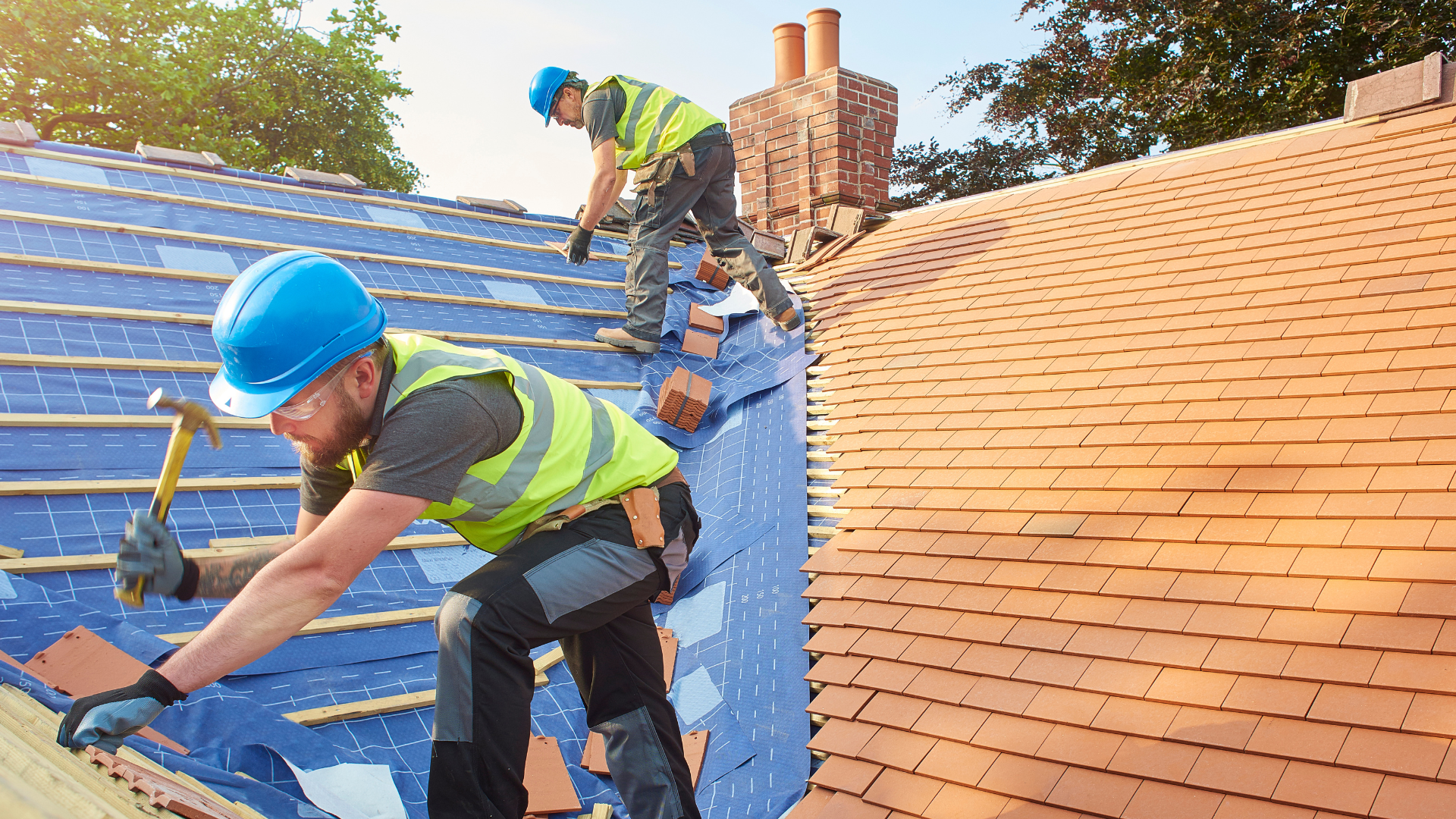
Introduction
When your roof shows signs of wear or storm damage, the question isn’t if you should replace it—it’s when. While some homeowners wait until spring or even winter to schedule repairs, delaying roof replacement can lead to unnecessary costs and complications. Fall is widely considered the best time of year to replace a roof, thanks to its mild weather, steady contractor availability, and ideal installation conditions. Acting now ensures your home is strong, energy-efficient, and ready to withstand the challenges of the coming cold season.
Ideal Weather for Installation
Roofing work depends heavily on weather conditions, and fall offers the perfect balance. The temperatures are cool enough for roofers to work comfortably and warm enough for materials like asphalt shingles to adhere and seal properly. In contrast, winter cold can make shingles brittle and prevent adhesives from bonding correctly, while summer heat can make installation more difficult and potentially shorten material life.
By scheduling your roof replacement in the fall, you’re ensuring optimal installation quality. The moderate climate allows roofing crews to work efficiently, complete projects faster, and deliver durable, long-lasting results that will protect your home through the harsh winter months.
Avoiding Winter Roofing Challenges
Replacing a roof during winter comes with several obstacles that can impact both cost and performance. Cold weather makes materials less flexible, which can lead to cracks or improper sealing during installation. Snow and ice accumulation also create safety hazards for workers and can delay progress. Even after installation, low temperatures may prevent shingles from adhering properly, reducing their lifespan and effectiveness.
By taking care of your roof replacement in the fall, you eliminate these challenges entirely. You’ll get a properly sealed, weather-resistant roof that’s ready to face whatever winter brings. It’s a proactive move that prevents emergency repairs later when conditions are at their worst—and most expensive.
Protecting Against Winter Leaks and Ice Dams
If your roof is already damaged or showing signs of wear, waiting until winter can allow small problems to turn into major ones. Minor leaks or loose shingles can quickly lead to water infiltration once snow and ice begin to build up. Melting snow that refreezes near your roof’s edges can form ice dams, blocking drainage and forcing water under your shingles.
Replacing your roof in the fall ensures that your home has a solid, watertight barrier before winter weather hits. A new roof provides stronger protection against leaks, eliminates weak spots where ice dams can form, and helps maintain proper insulation to prevent uneven heating across the roof surface.
Improving Energy Efficiency Before the Cold Arrives
An old or storm-damaged roof can let warm air escape and cold air seep in, forcing your heating system to work harder throughout the winter. That means higher energy bills and reduced comfort inside your home. A fall roof replacement helps seal your home’s envelope, improving insulation and reducing heat loss.
Modern roofing materials are designed with energy efficiency in mind, using advanced underlayment and reflective coatings to maintain stable indoor temperatures. By upgrading your roof now, you’ll enjoy lower heating costs, a more comfortable home, and improved performance from your HVAC system all season long.
Preventing Emergency Repairs During Harsh Weather
Winter storms can be unpredictable and unforgiving. Roofs that are already compromised by age or storm damage are far more likely to fail under the added stress of snow, ice, and high winds. Emergency roof repairs during freezing weather are not only more difficult to complete but also significantly more expensive.
Replacing your roof in the fall helps you avoid those midwinter surprises. Contractors can work safely and efficiently before conditions worsen, ensuring your roof is in top shape before heavy snowfall begins. The peace of mind that comes with knowing your home is fully protected is worth far more than the cost of waiting and hoping for the best.
Better Contractor Availability and Pricing
Roofing contractors are often busiest during spring and early summer, when demand spikes and scheduling can be difficult. By fall, schedules begin to open up, giving homeowners more flexibility and attention from their contractors. Many roofing companies also offer seasonal discounts or incentives before winter sets in, making it a cost-effective time to replace your storm-damaged roof.
Acting early not only locks in better pricing but also ensures your project gets completed before colder weather limits installation options. Waiting too long could push your replacement into winter, when both availability and material performance become limited.
Boosting Home Value and Curb Appeal
Replacing your roof before winter doesn’t just protect your home—it enhances its appearance and value. A new roof instantly boosts curb appeal, giving your home a clean, updated look that’s especially appealing during the holiday season. If you plan to sell your home in the near future, buyers will appreciate knowing that your roof is new, energy-efficient, and built to last.
Conclusion
When it comes to roof replacement, fall is the clear winner. The mild weather ensures better installation quality, the timing prevents winter damage, and the results deliver both beauty and performance. Replacing your storm-damaged or aging roof before the snow arrives saves you money, protects your home, and enhances comfort all season long. Don’t wait until winter forces your hand—schedule your replacement this fall and head into the colder months with complete confidence and peace of mind.
Recent Articles
Planning Your Roof Replacement Before Snow: What Homeowners Should Know
Winter storms can turn minor roof damage into costly emergencies. Discover why scheduling your roof replacement before snow arrives is…
Avoiding Winter Roof Emergencies: Replace That Storm-Damaged Roof Now
Storm damage and winter don’t mix. Replace your roof before cold weather hits to prevent leaks, avoid ice dams, and…
Roof Replacement Timing: Why Fall Beats Waiting for Winter
Don’t wait for winter weather to worsen roof damage. Discover why replacing your roof in the fall is the smartest…
Energy Efficiency, Ice Dams & Your Old Roof: Why Now Is the Time to Replace
An aging or storm-damaged roof can cause energy loss, ice dams, and costly leaks. Discover why replacing your roof before…
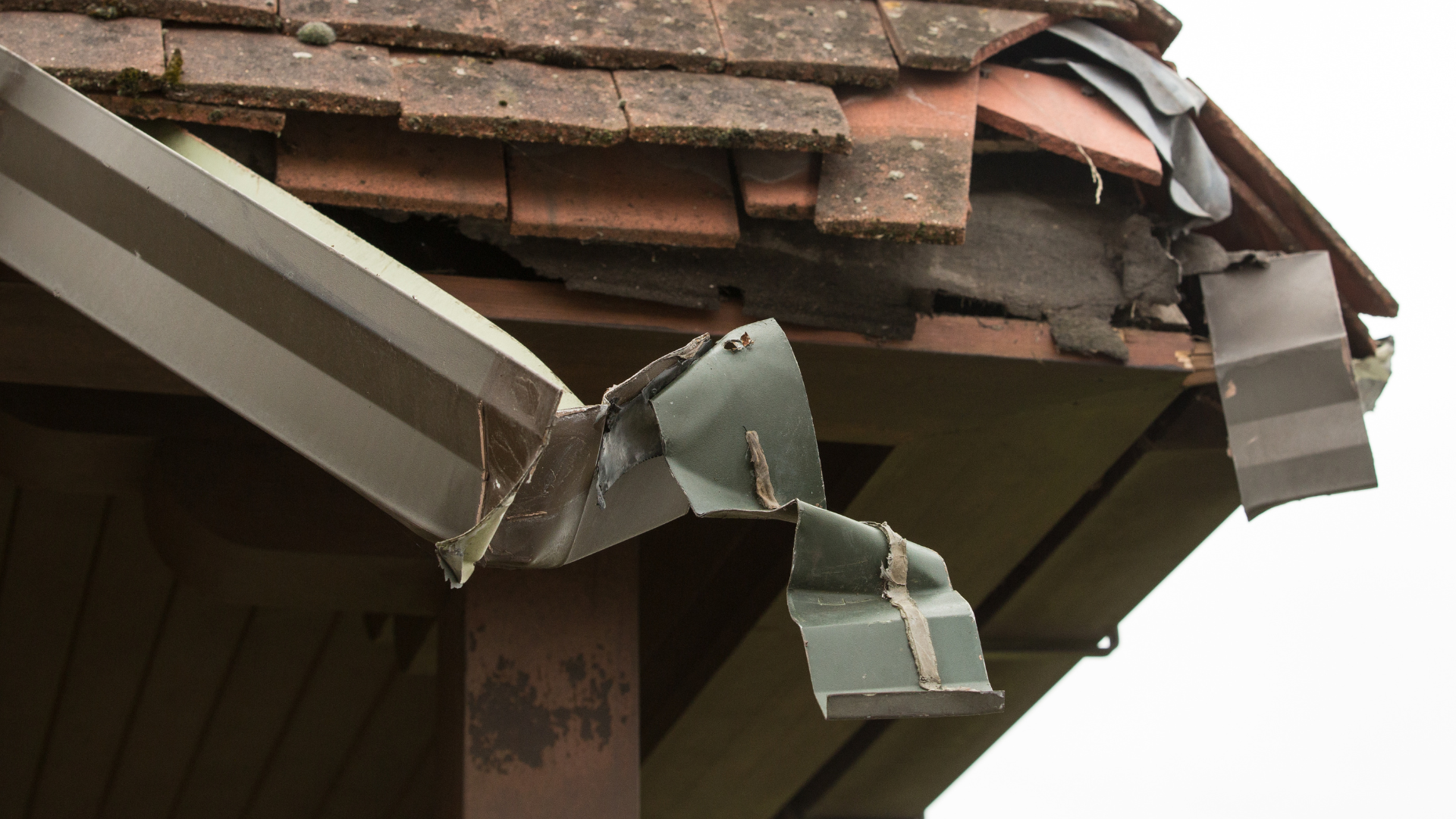
Storm Damage Roofs & Winter Weather: A Pre-Season Replacement Checklist
Don’t let storm damage turn into winter problems. Use this checklist to inspect, prepare, and replace your roof before snow…

How Fall Roof Replacement Protects Your Home Through Winter Storms
A fall roof replacement strengthens your home before winter storms arrive. Discover how replacing your old or storm-damaged roof now…