
Welcome to
Ace Exterior Remodeling
Planning Your Roof Replacement Before Snow: What Homeowners Should Know
December 19, 2025
Introduction
When it comes to protecting your home, your roof does the heavy lifting—especially during harsh winter weather. Snow, ice, and freezing rain can expose every weakness in an aging or storm-damaged roof, turning minor issues into major headaches. Planning your roof replacement before the first snowfall is one of the smartest decisions a homeowner can make. By acting early, you’ll ensure your home stays warm, dry, and energy-efficient throughout the winter while avoiding costly repairs or emergency replacements when the weather turns extreme.
Understanding the Risks of Waiting Until Winter
Many homeowners put off roof replacement until spring, but waiting too long can have serious consequences. Once snow begins to accumulate, roofing work becomes more difficult and expensive. Cold weather can make shingles brittle, adhesives less effective, and installation unsafe for workers. Worse, an old or damaged roof under the weight of snow and ice can start to leak or sag, leading to interior water damage and structural problems.
Replacing your roof before winter allows contractors to work under optimal conditions. Materials seal properly, installation times are faster, and your home is fully protected before the weather turns severe. Acting now means peace of mind all season long—without the worry of unexpected leaks or damage during a snowstorm.
Inspecting for Storm Damage and Wear
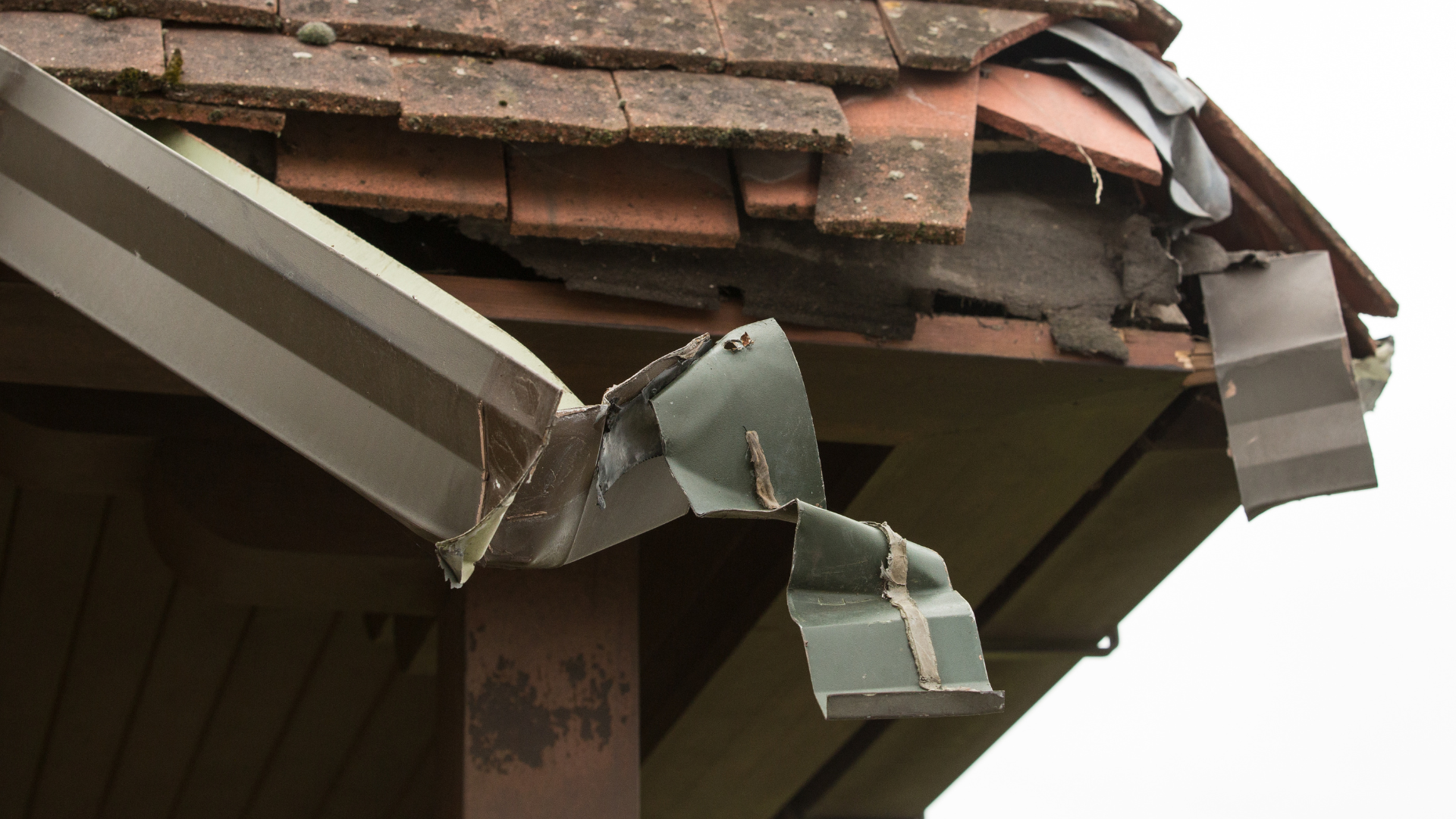
Before scheduling your replacement, it’s essential to understand the current condition of your roof. Summer storms, heavy winds, and hail can leave behind hidden damage that weakens your roof’s structure. Look for signs such as missing shingles, curling edges, granule buildup in gutters, or dark stains on ceilings and attic rafters. These are early warnings that your roof may already be compromised.
If you’re unsure about what to look for, schedule a professional roof inspection. Roofing experts can identify both visible and hidden damage, assess the remaining lifespan of your materials, and help you decide whether repairs or a full replacement are the best course of action before winter arrives.
Why Fall Is the Best Time to Replace Your Roof
Fall offers ideal weather conditions for roof replacement. Temperatures are mild, humidity levels are low, and contractors have greater availability than during peak summer months. Roofing materials, especially asphalt shingles, need moderate temperatures to adhere properly and form watertight seals. Cold weather can make them stiff and difficult to install correctly.
By scheduling your roof replacement in the fall, you’ll ensure the best possible installation quality. You’ll also give your new roof time to settle and seal before facing snow, ice, and freezing temperatures. Plus, many contractors offer off-season discounts, helping you save money while still getting premium materials and workmanship.
Choosing the Right Materials for Winter Protection
Not all roofing materials perform equally well in winter climates. If you live in an area prone to heavy snowfall, ice, or high winds, it’s worth investing in materials designed for durability and weather resistance. Asphalt shingles with high wind ratings, metal roofing, and impact-resistant shingles are excellent options for withstanding severe weather.
Modern roofing systems also include ice and water barriers beneath the shingles to prevent moisture from seeping into your home during thawing cycles. When planning your replacement, discuss these protective features with your contractor to ensure your new roof is equipped to handle winter’s challenges.
Improving Energy Efficiency Before the Cold Arrives
Replacing your roof before winter isn’t just about preventing leaks—it’s also about improving energy performance. An old or damaged roof can allow warm air to escape and cold air to enter, driving up heating costs. During your roof replacement, contractors can inspect your attic insulation and ventilation, ensuring your home retains heat efficiently.
Adding modern roofing materials with reflective coatings or better insulation properties helps reduce energy waste and maintains a more consistent indoor temperature. As a result, you’ll enjoy a warmer, more comfortable home and lower utility bills throughout the season.
Planning Ahead and Booking Early
Roofing companies often experience a surge in demand once temperatures start dropping. Waiting too long to schedule your roof replacement could mean limited availability, higher prices, or installation delays due to early snow. To avoid these issues, it’s best to plan your project well in advance.
Booking your replacement early ensures you have time for an inspection, material selection, and scheduling that fits your timeline. It also allows your contractor to complete the job before the weather becomes unpredictable. The earlier you plan, the smoother the entire process will be.
Preparing Your Home for the Project
Before the work begins, take a few steps to make the installation process as smooth as possible. Clear driveways and walkways so contractors have easy access, move outdoor furniture or decorations away from the house, and protect landscaping near the work area. Inside, cover items in your attic or upper floors to prevent dust or debris from falling during the replacement.
These small preparations can help the crew work efficiently and protect your property from unnecessary mess or damage. Once the job is done, you’ll have a brand-new roof ready to face whatever winter brings.
Conclusion
Replacing your storm-damaged or aging roof before the snow arrives is one of the smartest investments you can make for your home. Acting early prevents leaks, ice dams, and energy loss while ensuring your roof is strong enough to handle winter’s toughest conditions. Fall offers the perfect opportunity for inspection, planning, and installation under optimal weather. Don’t wait until freezing temperatures make repairs harder and costlier—schedule your roof replacement now and head into winter with confidence, comfort, and lasting protection.
Recent Articles
Planning Your Roof Replacement Before Snow: What Homeowners Should Know
Winter storms can turn minor roof damage into costly emergencies. Discover why scheduling your roof replacement before snow arrives is…
Avoiding Winter Roof Emergencies: Replace That Storm-Damaged Roof Now
Storm damage and winter don’t mix. Replace your roof before cold weather hits to prevent leaks, avoid ice dams, and…
Roof Replacement Timing: Why Fall Beats Waiting for Winter
Don’t wait for winter weather to worsen roof damage. Discover why replacing your roof in the fall is the smartest…
Energy Efficiency, Ice Dams & Your Old Roof: Why Now Is the Time to Replace
An aging or storm-damaged roof can cause energy loss, ice dams, and costly leaks. Discover why replacing your roof before…
Storm Damage Roofs & Winter Weather: A Pre-Season Replacement Checklist
Don’t let storm damage turn into winter problems. Use this checklist to inspect, prepare, and replace your roof before snow…

How Fall Roof Replacement Protects Your Home Through Winter Storms
A fall roof replacement strengthens your home before winter storms arrive. Discover how replacing your old or storm-damaged roof now…