
Welcome to
Ace Exterior Remodeling
Avoiding Winter Roof Emergencies: Replace That Storm-Damaged Roof Now
December 12, 2025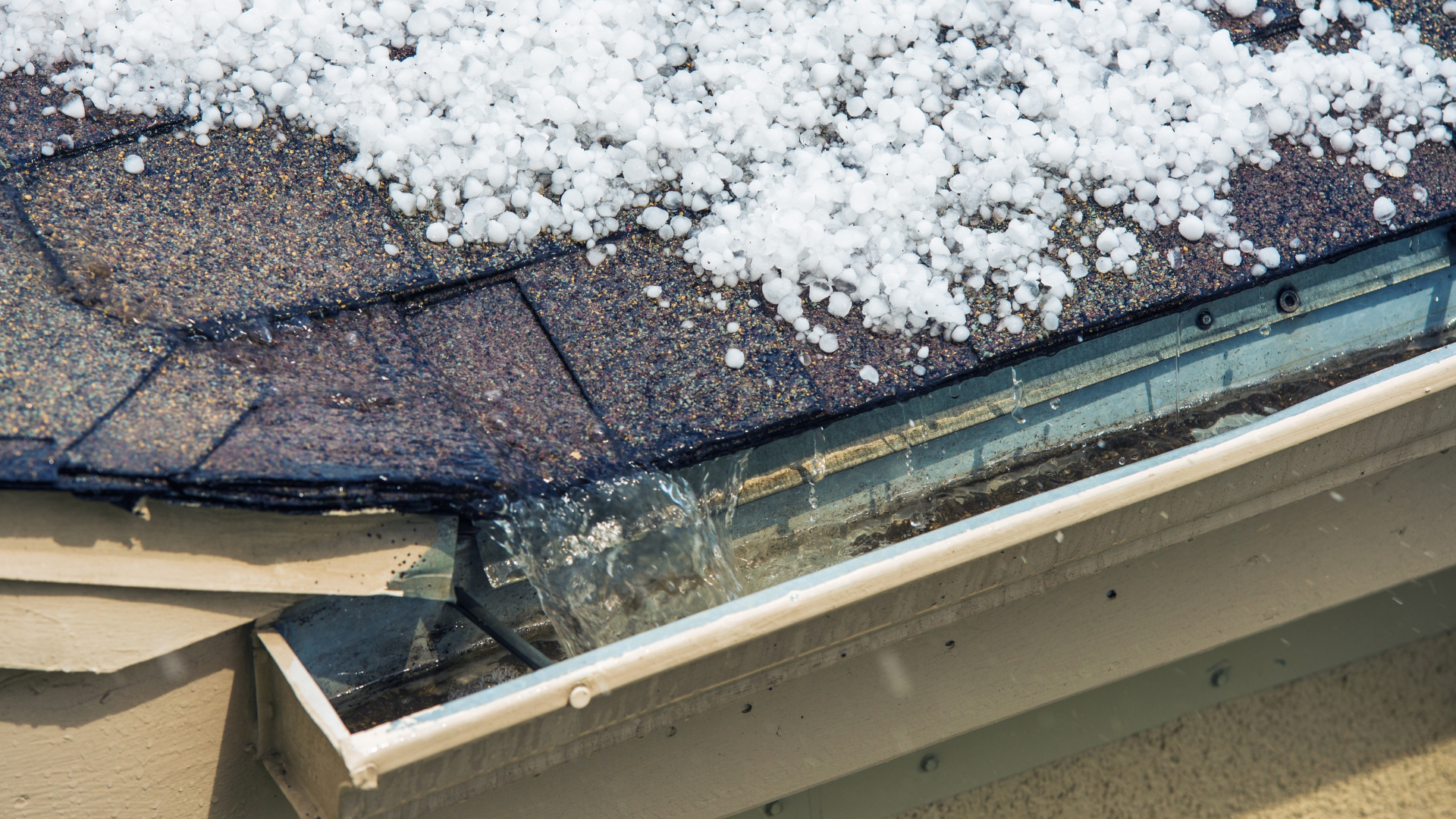
Introduction
When the temperature drops and the snow begins to fall, the last thing any homeowner wants is a roofing emergency. Unfortunately, winter is the season when hidden storm damage often turns into major problems—leaks, sagging roofs, and even collapses. If your home has suffered from high winds, hail, or heavy rain this year, replacing your storm-damaged roof before winter hits isn’t just a good idea—it’s essential. Acting now can save you thousands in repair costs, prevent water damage, and keep your home warm and safe when the weather is at its worst.
How Storm Damage Becomes a Winter Disaster
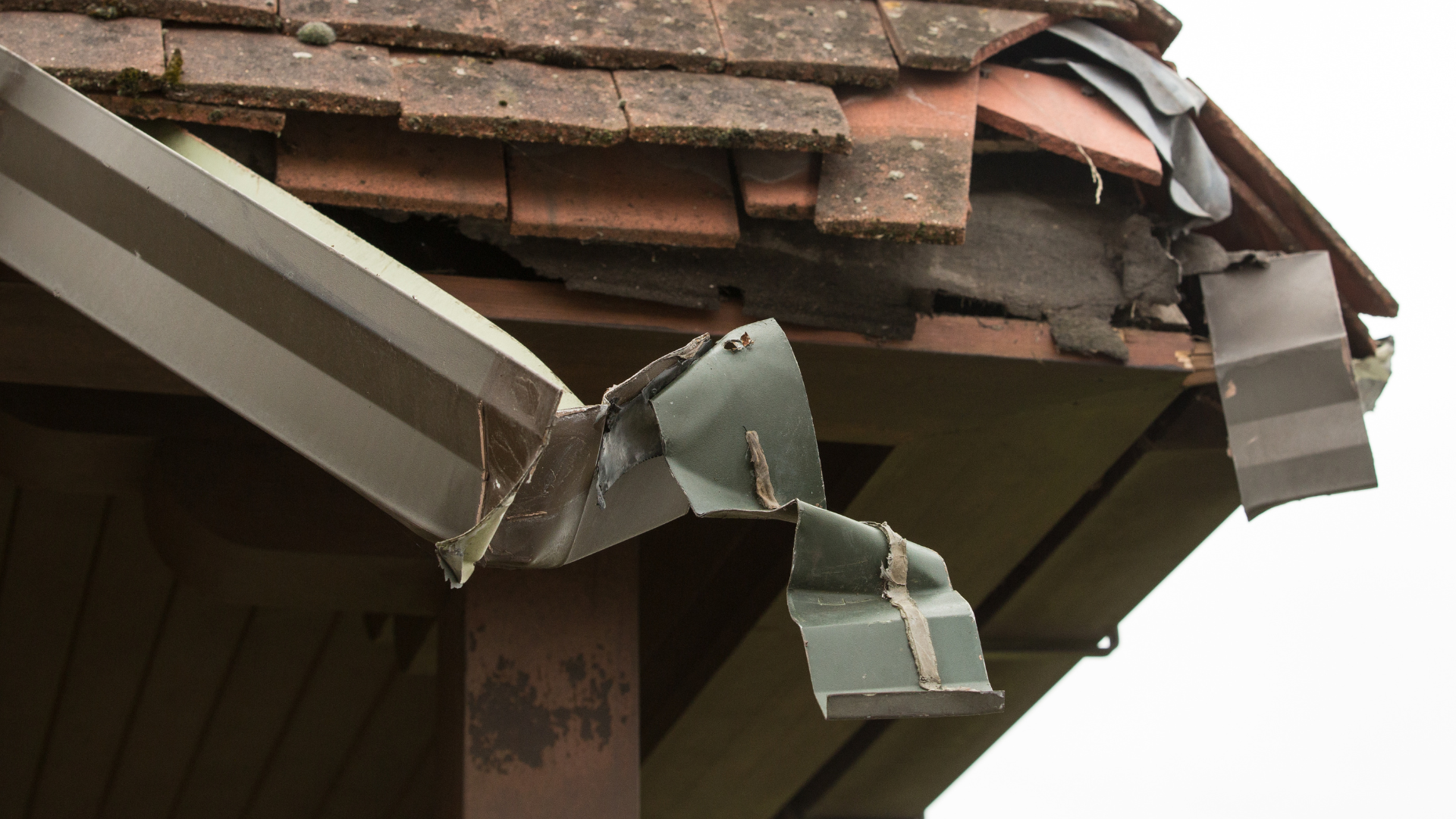
Storms can leave behind subtle yet serious damage that may not be visible from the ground. Missing shingles, cracked flashing, or punctured underlayment might not cause issues right away, but once snow and ice arrive, these weak spots quickly turn into entry points for water. As melting snow seeps into your roof and refreezes overnight, it expands, widening cracks and loosening materials. This freeze-thaw cycle leads to leaks, warped wood, and insulation damage—problems that can escalate rapidly in winter conditions.
By replacing your storm-damaged roof before the first frost, you eliminate these vulnerabilities. A new, watertight roofing system ensures your home can handle heavy snow loads, freezing rain, and fluctuating temperatures without letting moisture in or heat out.
Preventing Leaks and Interior Damage
A small roof leak in the summer is inconvenient—but in winter, it can be disastrous. Once snow and ice begin to melt, water finds its way into the smallest gaps, soaking insulation and dripping into ceilings or walls. Left unchecked, this moisture can lead to mold growth, electrical hazards, and costly interior repairs.
Replacing your roof before the cold sets in is the best way to avoid these headaches. A fresh installation provides a tight, durable seal that keeps snowmelt out and prevents future leaks. With proper flashing and underlayment in place, you’ll protect your home’s attic, structure, and interior from water damage all winter long.
Avoiding Ice Dams and Roof Stress
One of the most common winter roofing issues is the formation of ice dams. These occur when warm air from your attic melts snow on the roof, causing it to refreeze near the edges. As ice builds up, it prevents proper drainage, forcing water back under the shingles. The result? Leaks, damaged gutters, and added stress on your roof.
An older or storm-damaged roof is far more susceptible to ice dams due to poor insulation, ventilation, and uneven heat distribution. A new roof helps eliminate these risks by improving airflow and temperature regulation. Replacing your roof now also ensures that the materials are properly sealed and ready to withstand the freeze-thaw cycle that winter brings.
Saving Money on Energy and Emergency Repairs
Waiting until winter to replace your roof can cost you in more ways than one. An inefficient, damaged roof allows warm air to escape and cold air to enter, driving up heating bills. It also increases the likelihood of emergency repairs—costly, last-minute fixes that are harder to perform in freezing weather.
By scheduling your roof replacement now, you’ll avoid those unexpected expenses. A new, energy-efficient roof will help regulate indoor temperatures, reduce energy waste, and keep your utility bills low. Plus, you’ll have the security of knowing your home is ready for anything winter has in store.
Protecting Your Family’s Safety and Comfort
A compromised roof isn’t just an inconvenience—it’s a safety risk. Heavy snow accumulation on a weakened structure can lead to dangerous sagging or even partial collapse. Leaks can also create slippery surfaces and electrical hazards inside your home. Replacing your storm-damaged roof before winter ensures your family stays safe and comfortable, no matter how severe the weather gets.
With a strong, secure roof overhead, you can relax knowing your home is prepared to handle snow, ice, and high winds. It’s one less worry during a season that already brings enough challenges.
Why Fall Is the Best Time to Replace Your Roof
Fall offers the perfect window for roof replacement. The mild temperatures and lower humidity create optimal conditions for installation, allowing shingles and sealants to adhere properly. Roofing contractors also tend to have more availability in the fall, meaning you can get the work done quickly before schedules fill up or the weather turns harsh.
By acting now, you’ll avoid winter installation delays, higher cold-weather labor costs, and potential emergency calls once snow hits. A proactive replacement sets your home up for a stress-free, protected winter.
Peace of Mind All Season Long
There’s no substitute for peace of mind, and a new roof provides exactly that. Knowing your home is secure from leaks, heat loss, and storm damage means you can enjoy the winter season without the looming threat of unexpected repairs. From family gatherings to quiet snow days, you’ll stay warm, dry, and comfortable under the protection of a brand-new roof built to last.
Conclusion
Replacing your storm-damaged roof before winter is the smartest way to avoid costly emergencies and keep your home safe through the coldest months of the year. A fall roof replacement prevents leaks, eliminates ice dam risks, improves energy efficiency, and ensures your home can handle snow and ice with ease. Don’t wait until the first storm exposes your roof’s weaknesses—schedule your replacement now and enter winter with complete confidence and peace of mind.
Recent Articles
Planning Your Roof Replacement Before Snow: What Homeowners Should Know
Winter storms can turn minor roof damage into costly emergencies. Discover why scheduling your roof replacement before snow arrives is…
Avoiding Winter Roof Emergencies: Replace That Storm-Damaged Roof Now
Storm damage and winter don’t mix. Replace your roof before cold weather hits to prevent leaks, avoid ice dams, and…
Roof Replacement Timing: Why Fall Beats Waiting for Winter
Don’t wait for winter weather to worsen roof damage. Discover why replacing your roof in the fall is the smartest…
Energy Efficiency, Ice Dams & Your Old Roof: Why Now Is the Time to Replace
An aging or storm-damaged roof can cause energy loss, ice dams, and costly leaks. Discover why replacing your roof before…
Storm Damage Roofs & Winter Weather: A Pre-Season Replacement Checklist
Don’t let storm damage turn into winter problems. Use this checklist to inspect, prepare, and replace your roof before snow…

How Fall Roof Replacement Protects Your Home Through Winter Storms
A fall roof replacement strengthens your home before winter storms arrive. Discover how replacing your old or storm-damaged roof now…